Is Using Reference Cheating?
This question comes up a lot. You hear it in art classes, see it in online comments, and maybe even ask yourself if your work is original or just borrowed from others.
Let’s look into it more closely.
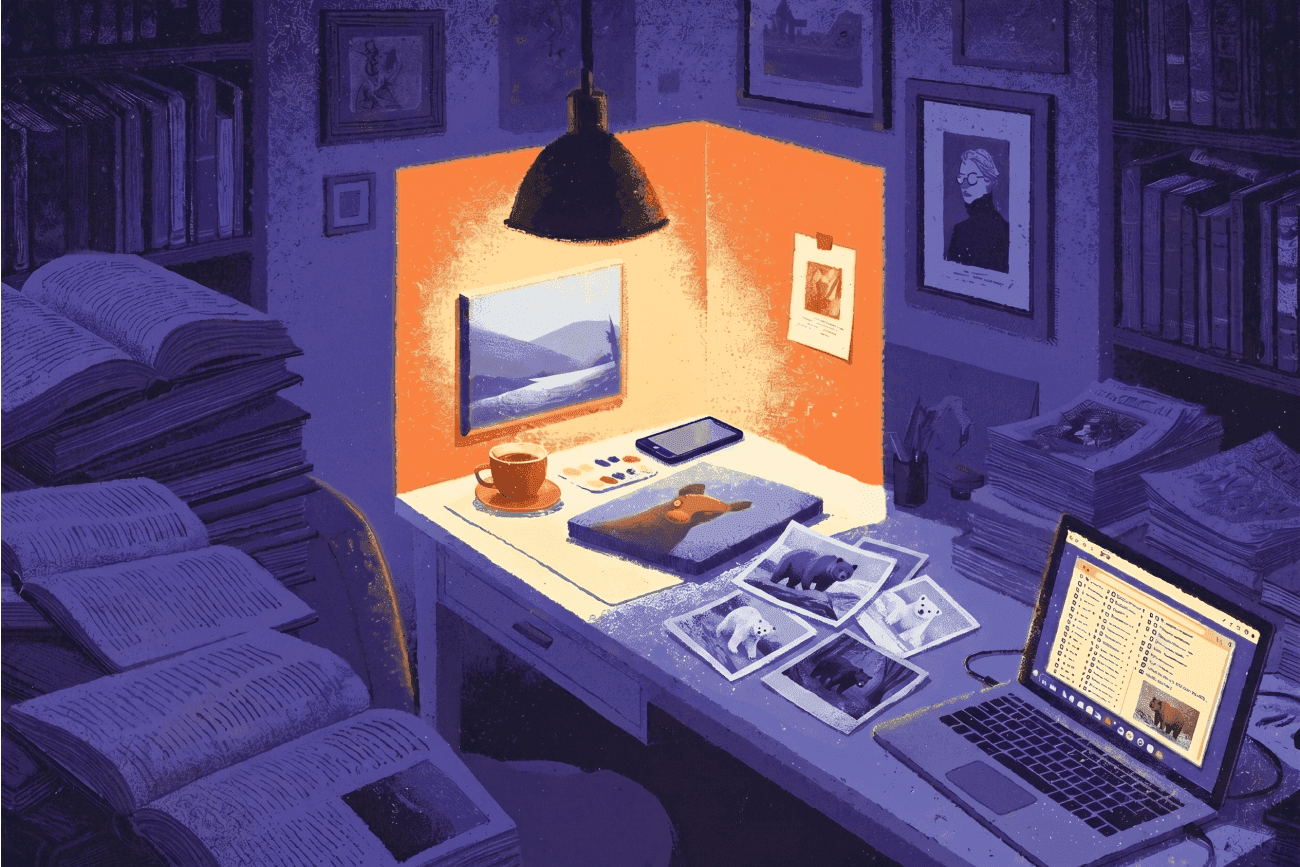
Where the myth comes from
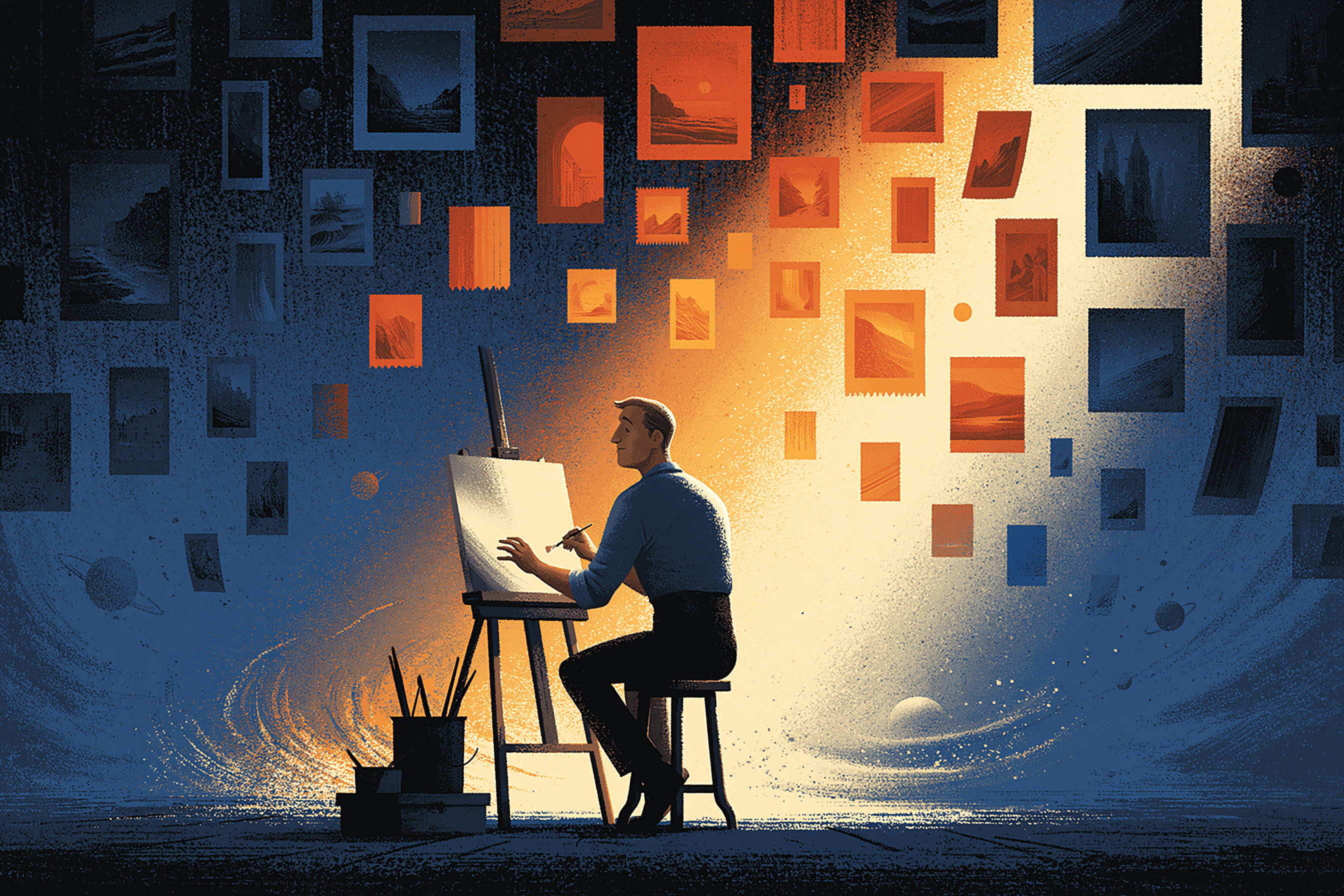
At some point, people started telling a story about what “real” artists do. Supposedly, they sit in front of a blank canvas and create a finished image straight from their imagination. No Pinterest, no Google, no magazines. Just pure imagination turning into art.
This story isn’t really true. It comes from romanticized biographies, cartoons showing artists staring into space before making a masterpiece, and the fact that most people don’t share their reference boards online. You see the finished artwork, but not the forty photos the artist used along the way.
Online, this myth became even stronger. Some groups on Art Twitter and in the anime or manga community started treating imagination-only work as a kind of purity test. Using reference turned into something people didn’t talk about, especially if they were still learning. Since no one admits to it, everyone thinks others are creating from nothing.
But that’s not true.
How working artists actually use reference
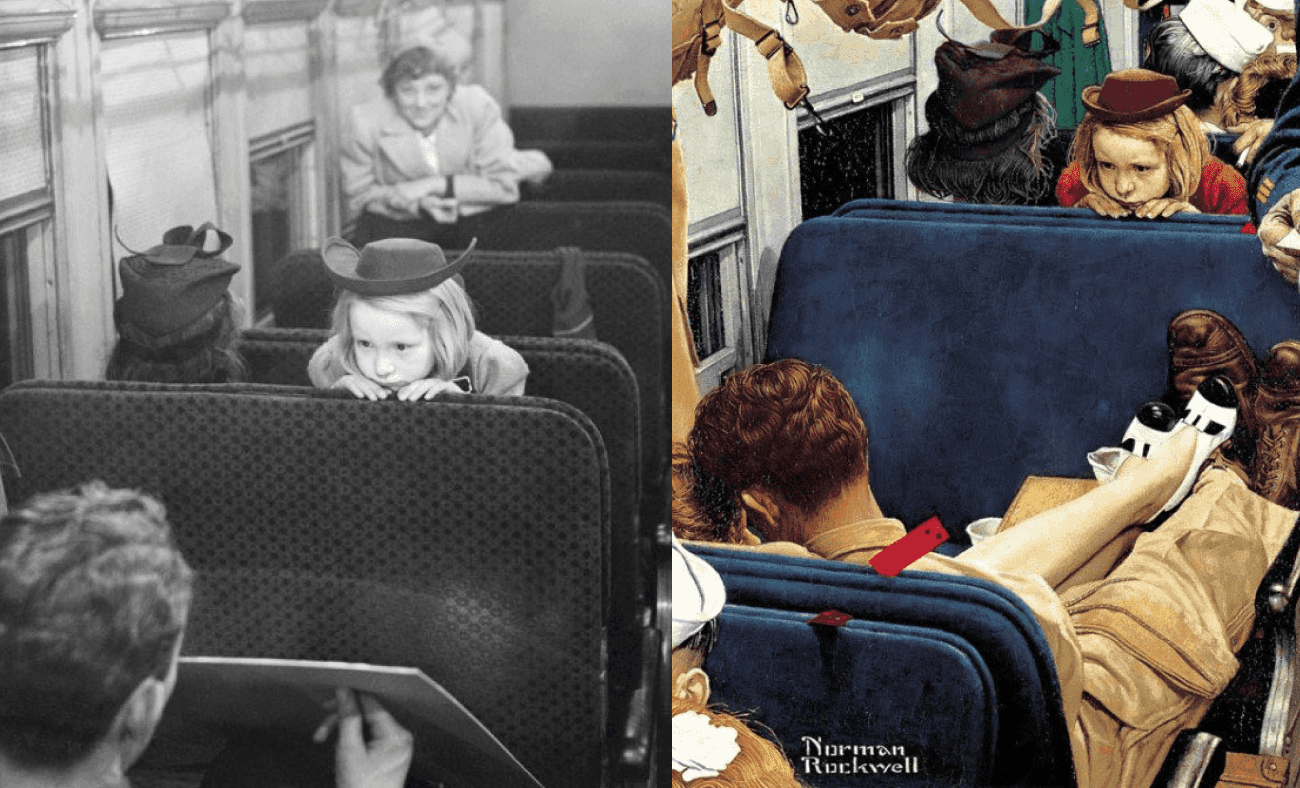
Norman Rockwell took thousands of staged photos. He hired models, posed them, took reference shots, and painted from those prints. His studio was set up for photography. His paintings feel alive because he used photos, not in spite of them.
Alphonse Mucha used photos all the time. John Singer Sargent sometimes worked from life and sometimes from photos, depending on the job. J.C. Leyendecker staged and photographed his scenes before painting. Caravaggio paid models to sit for hours. Vermeer likely used a camera obscura. Renaissance workshops pinned up anatomical studies, just like today’s concept artists use moodboards.
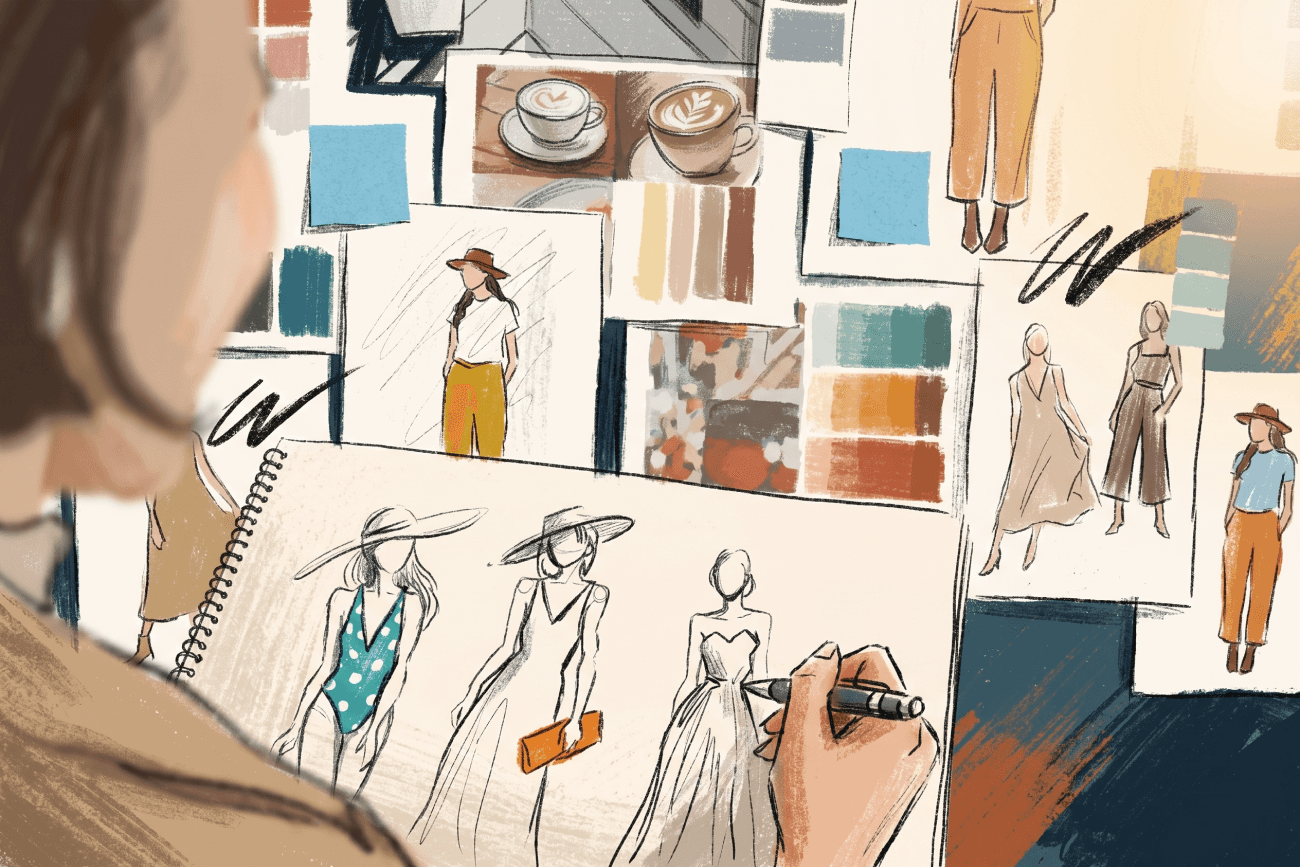
In today’s illustration and concept art, using reference is normal. James Gurney (the Dinotopia creator) talks openly about his reference process on his blog. Concept artists for games and movies collect huge reference boards for every project. One character design might use thirty or forty images for things like clothing, lighting, pose, texture, and color. That’s just part of the work.
Pixar even has teams whose only job is to gather reference. For Ratatouille, crews went to Paris for weeks to photograph restaurants. For Brave, they traveled to Scotland. Collecting reference is a normal part of making films, games, and studio projects, and nobody in those fields sees it as cheating.
You don’t hear much about this because it’s just part of the job. It’s like how nobody writes articles about chefs tasting their food while they cook.
So why does it feel like cheating?
Two reasons, mostly.
First, when you’re learning, it can seem like the reference is doing all the work. You look at a photo, copy the angle of an arm, and suddenly your drawing works. It might feel like you cheated, but really, you just saw something accurately. That’s the hard part of drawing. Seeing is the real skill; moving the pencil comes after.
Second, there’s a deeper fear behind the idea of cheating. Many people worry about being seen as frauds. The reference is just where that fear shows up. The thinking is: if people knew how much reference I use, they’d think my skills aren’t real.
But that’s not true. Using reference well is a skill on its own. Drawing without reference is a different skill. Most good artists can do both and choose what fits the situation. Artists who say they only use imagination are usually not being honest.
What’s the line between reference and copying?
Here’s a question worth asking, and it's one I've written about in greater detail here.
The basic idea is this: using reference means learning from an image, while copying means recreating someone else’s image and passing it off as your own. If you trace a photo from Google, paint over it, and post it as original work, that’s where the problem starts. The issue is not that you used a photo. It’s that you took someone else’s decisions and presented them as your own.
Most artists avoid copying by using lots of references, not just one. They might take a pose from one photo, fabric from another, and lighting from a third. When all these parts come together, there’s no single source to copy. The artwork becomes a mix of ideas, which is what art usually is.
Give yourself permission
If you still feel guilty about using reference, it’s time to let that go. Open your tabs, gather your photos, and make your board. Every artist you look up to does this and has done it throughout their career.
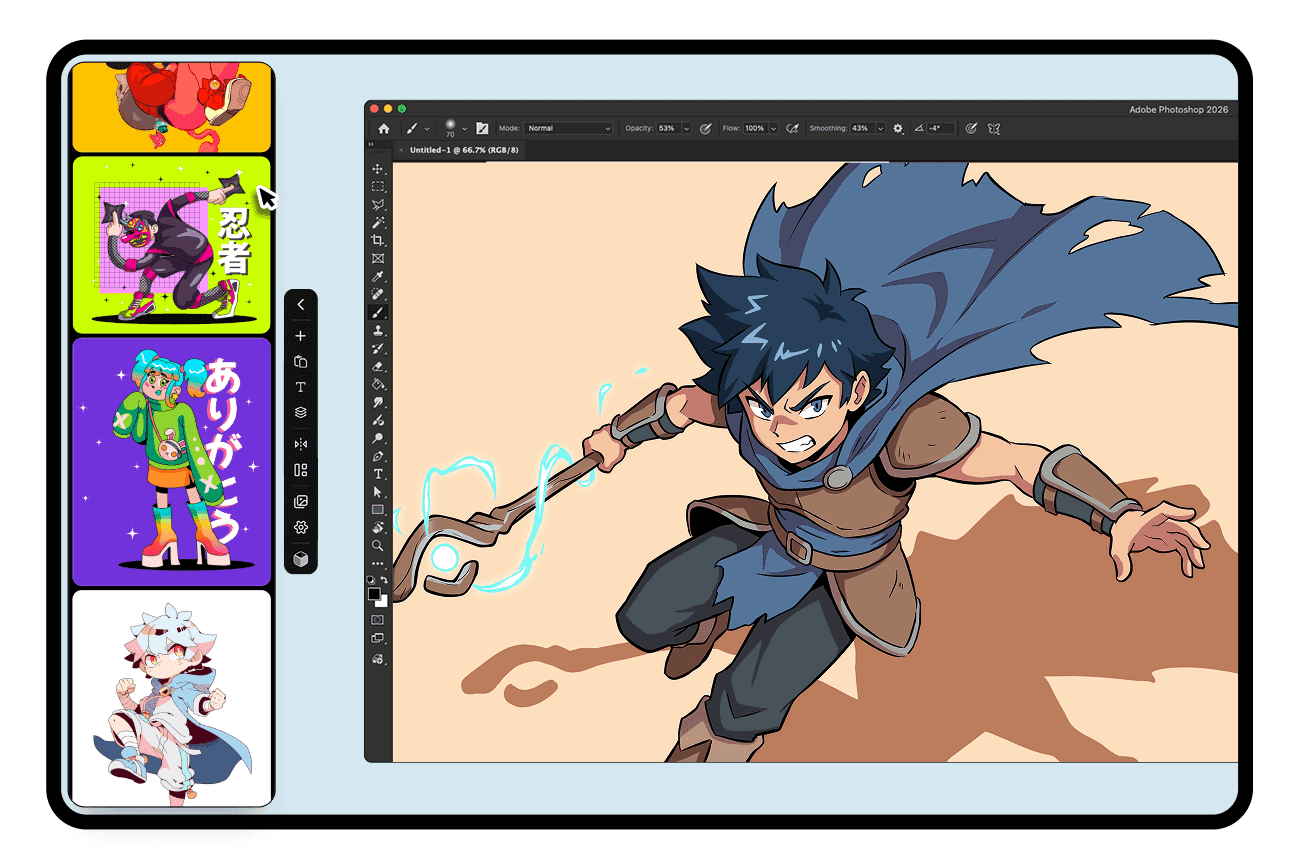
Now that you’ve gathered your reference images, what do you do with them? Don’t try to work from a tiny phone screen or keep bouncing between windows. Put your references right next to your art so they're actually useful. That’s exactly why I made Refbox. Give it a look if that sounds helpful.