
Why I Built Refbox
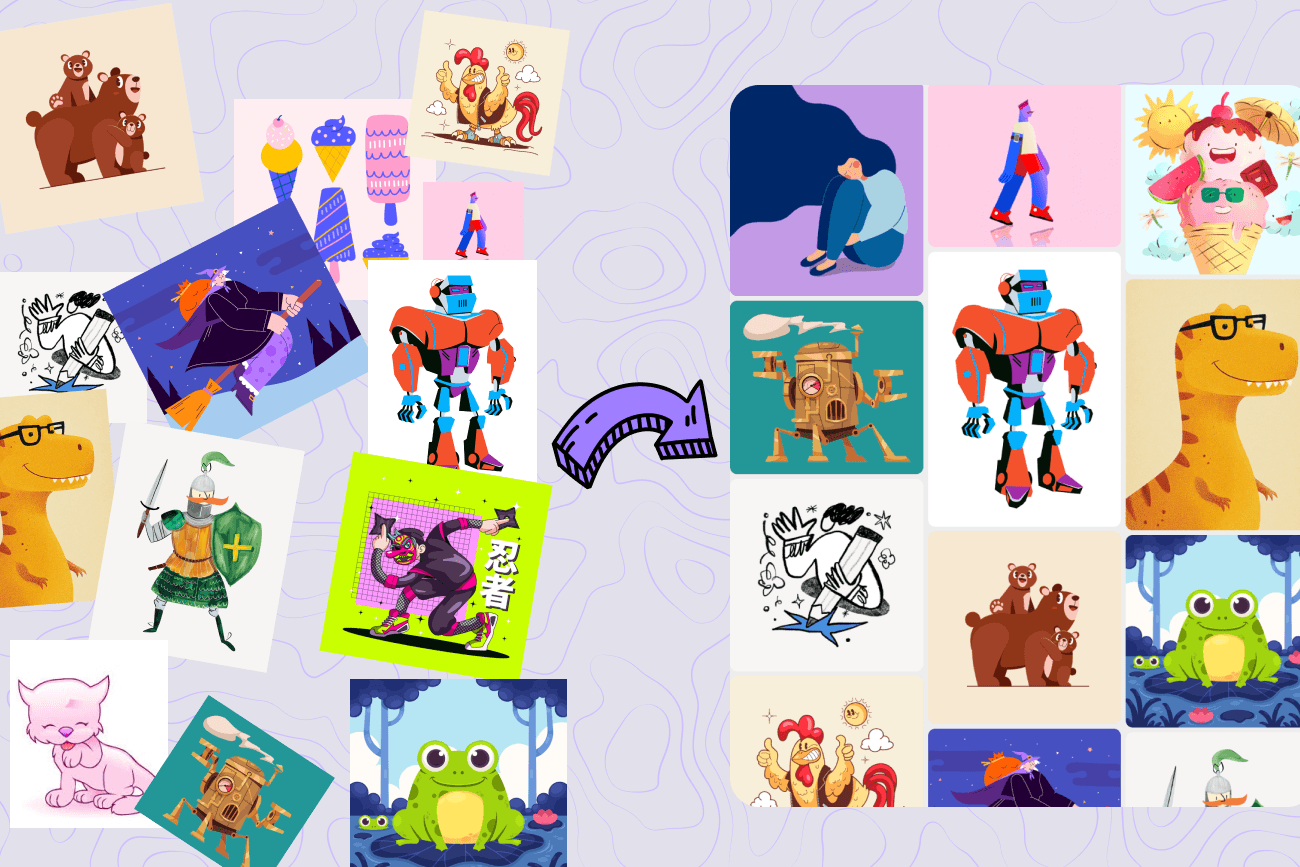
For a long time, I used Figma to handle my references.
The only issue is that Figma isn’t really meant for that. But if you’ve ever worked long enough on something, you know how easy it is to end up using tools for things they weren’t built to do. I’d drop images into a Figma board, try to organize them, and use it as a moodboard. It kind of worked.
But eventually, it became too much to handle.
The files I used for my YouTube channel kept growing. What started as dozens of reference images turned into hundreds. Load times got slower, and moving images around became a chore I kept avoiding. Instead of saving time, the tool was costing me time.
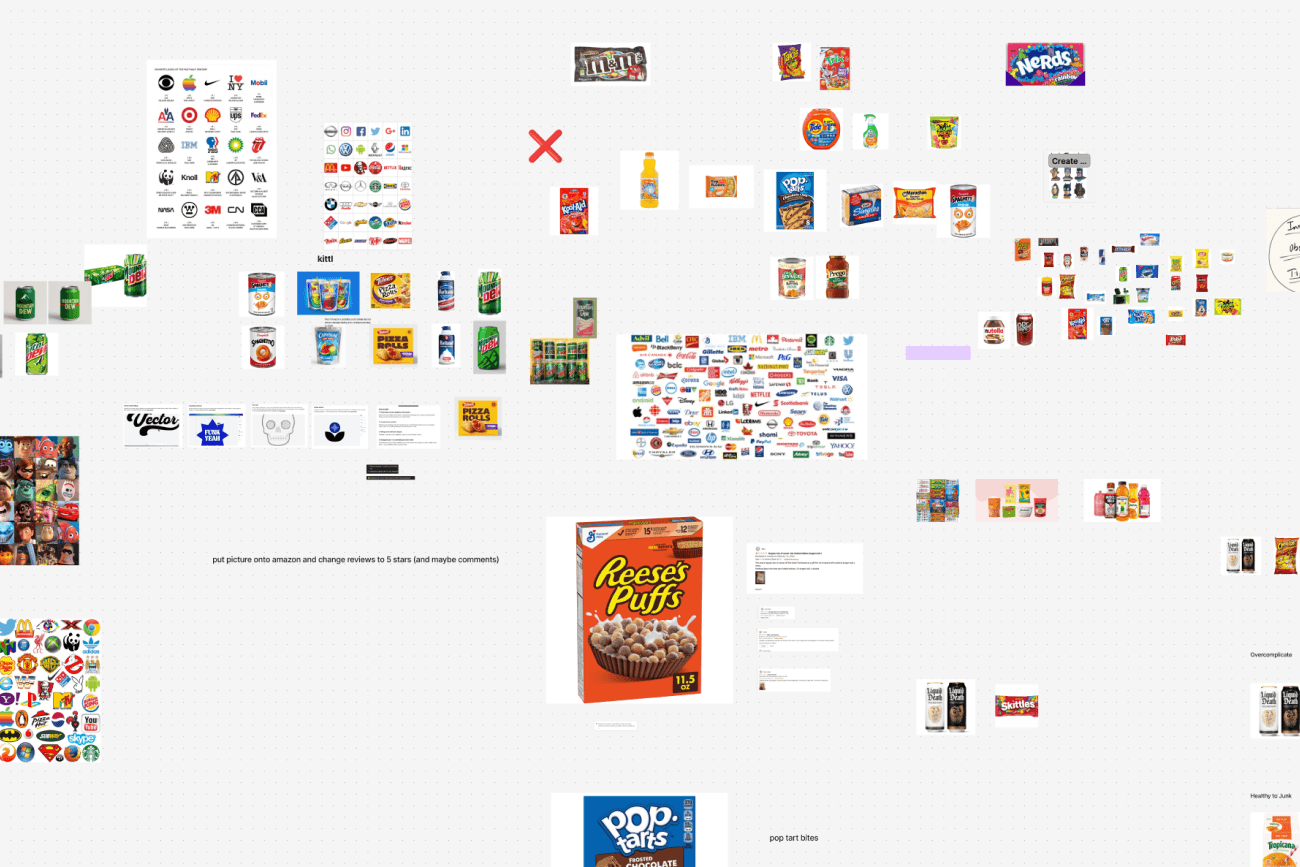
I considered PureRef. Many artists love it, and its features were closer to what I needed. But I’m picky about user interfaces, and it just didn’t fit my needs. That’s when my brother Brett and I started talking about building something ourselves.
Brett has been a developer for almost ten years. I knew what I wanted a reference tool to feel like, and he had the skills to build it. So in mid-2025, we started sketching out our own version. I focused on the design, and he handled the coding. After about a month, we had something we could use.
Turning our prototype into a 1.0 release
The first real test was using it ourselves. When it made our workflow better, we guessed others might have the same problem. So we launched a free beta in early Q4 2025. Feedback came in quickly and was positive. About a month later, we released version 1.0.
Since then, we’ve focused on listening to users. We added support for 3D models, audio files, and PDFs, along with many small improvements. Most of these changes came from community feedback. People would try the tool, tell us what they needed, and we’d build it.
When it started to feel real
Our first sale was truly exciting. We had only briefly mentioned Refbox in a video, so seeing someone actually buy it was a big moment. That’s when it stopped feeling like just a project and started to feel like a real product.
But the moment that stands out most was when someone made their own YouTube video about Refbox without us asking. They just wanted to share their thoughts. That’s when it stopped being just ours and became something others cared about too. Sales can feel abstract, but seeing someone make a video because they genuinely liked what we built made it feel real.
Why do we keep going
Honestly, money isn’t the main reason, at least not right now. Refbox is growing, but it’s still much smaller than the YouTube channel. If we wanted to maximize income, we’d spend all our time making videos.
What keeps me motivated is the feedback. When someone messages us to say Refbox finally solved a problem they’ve struggled with for years, it means more than ad revenue ever could. We built this tool because we needed it ourselves. Every time someone tells us it helped them too, it feels worth it.
If you haven’t tried it yet, you can check out a free trial at ref.box. And if you have feedback, we’re always open to hearing it. Most of the best parts of Refbox came from people telling us what they needed.